No difference in emergency department length of stay for patients with limited proficiency in English
@Wallbrecht_2014_difference_emergencyAbstract results
Each result the abstract reports — is it captured as evidence?
Data were collected from a total of 121 ES patients and 124 patients with LEP.
In the LEP group were the languages of Spanish, Navajo, Vietnamese, Chinese, Arabic, and American Sign Language.
Fifty-eight percent of patients with LEP used an interpreter.
There were no differences between ES patients and patients with LEP in age, sex, mode of arrival, chief complaints, acuity, percentage admitted, percentage pediatric patients, or percentage of Medicaid/Medicare recipients.
More patients with LEP were self-pay (36% vs 20%, diff 16, 95% confidence interval 2-31).
There were no differences in mean LOS from time of arrival to time to being seen by a provider when comparing ES patients with patients with LEP or time of arrival to time to discharge or admission request.
Comparing the patients with LEP who used interpreters with those who did not use interpreters, there was a significantly different LOS from time of arrival to time of discharge or admission request (958 ± 644 vs 628 ± 595 minutes, diff 330, 95% confidence interval 84-576).
There was no difference in LOS for patients with LEP; however, patients with LEP who used interpreters had a significant increase in LOS compared with those who did not use interpreters.
Tables & figures
Map each object to the evidence it grounds (one object can ground several), add anything missed, or flag a gap.
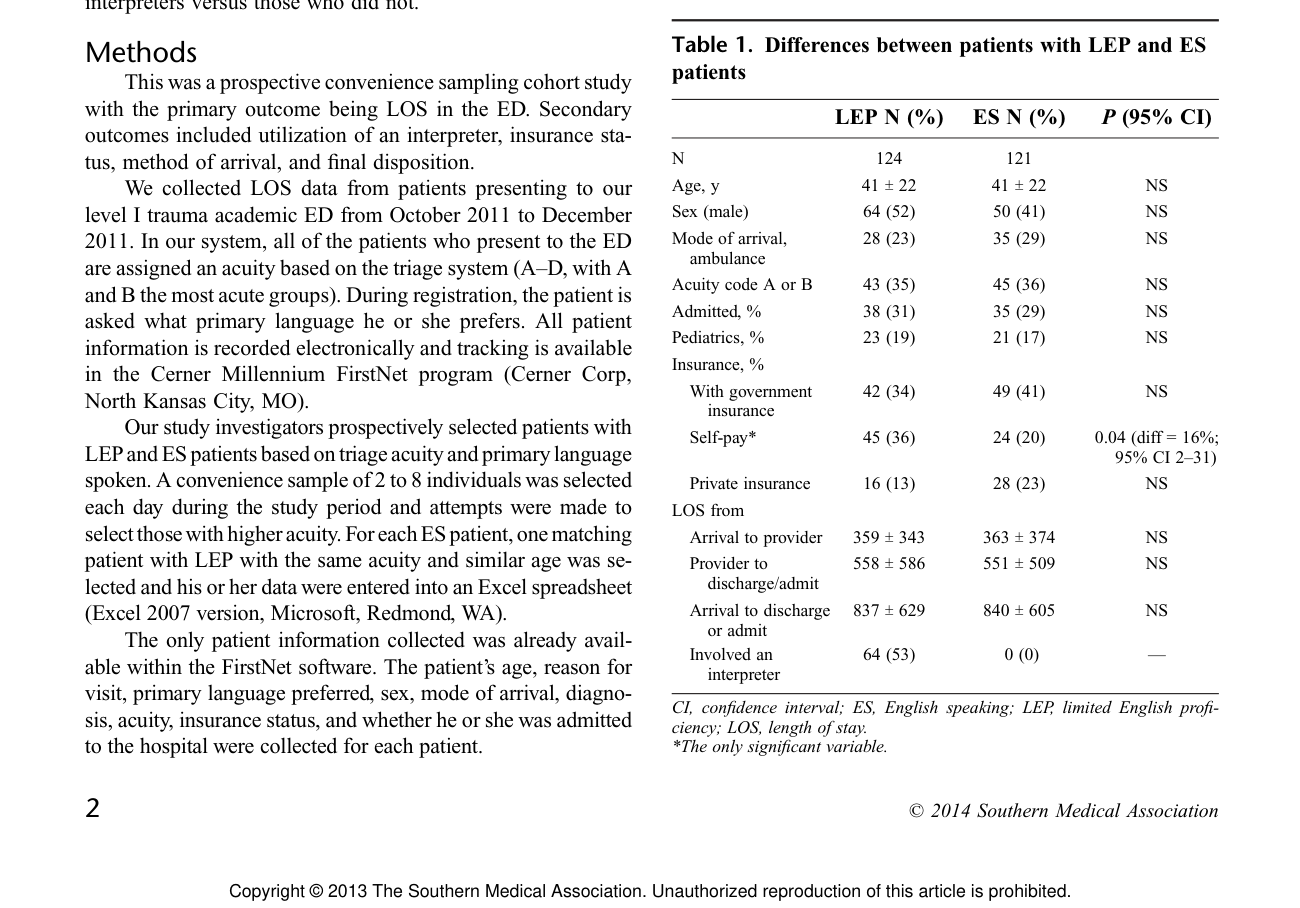
Table 1 — Differences between patients with LEP and ES
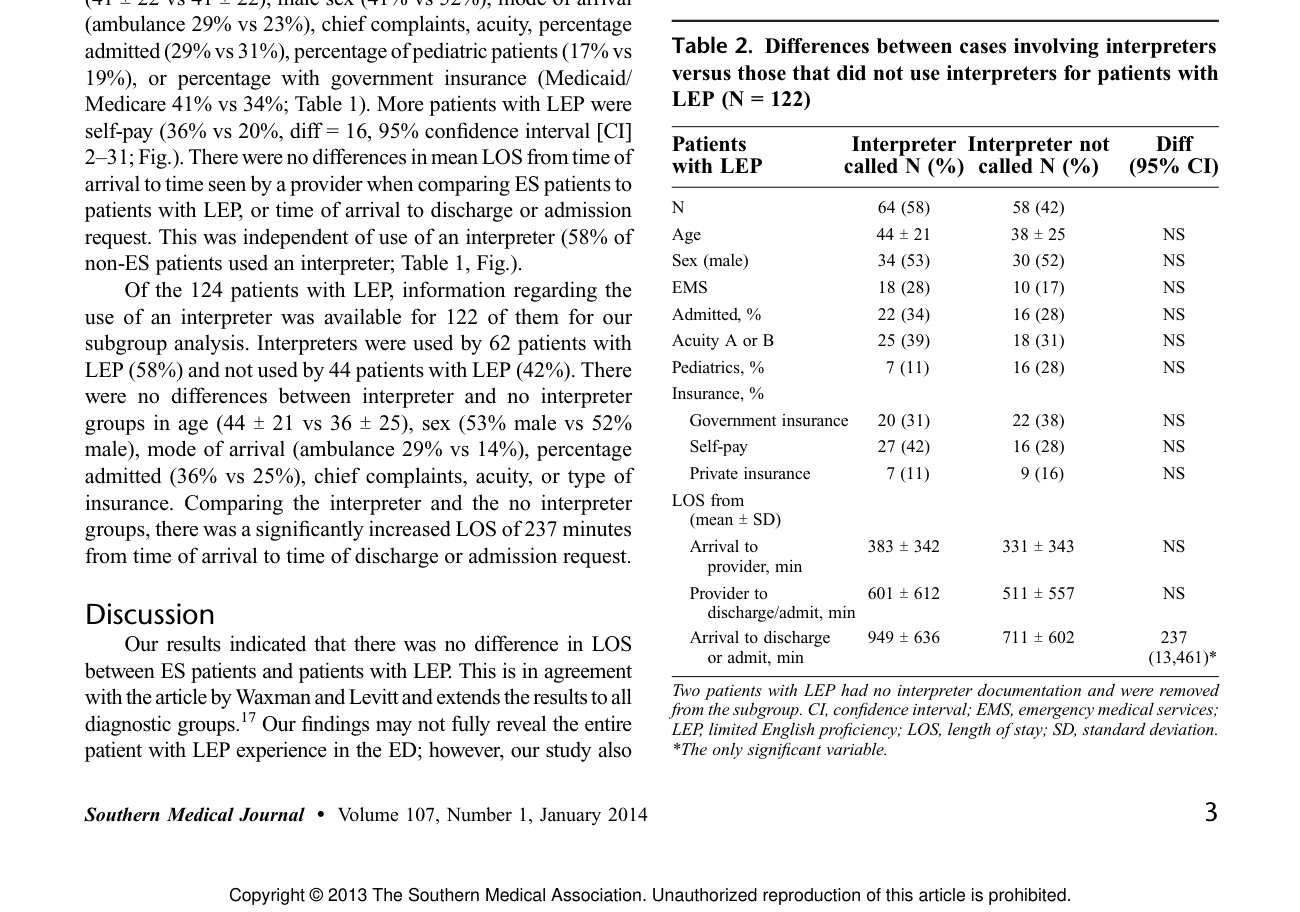
Table 2 — Differences between cases involving interpreters